Editorial scope note: Online Marina writes product research guides from official product pages, published specifications, and boat-owner use cases. We do not claim hands-on sea trials for this article, and we avoid treating merchant copy as proof of real-world performance.
Quick Verdict
For boat use, stable 7x magnification, waterproof build, grip, and a usable compass can matter more than high zoom or pocket size. The strongest choice is the one that fits the way the boat is actually used: berth routine, crew skill, storage, weather exposure, and maintenance discipline all matter. A product that looks premium but is hard to reach, charge, rearm, dry, or inspect is not a practical upgrade.
This guide is written for UK-style marina and coastal ownership rather than charter-brochure perfection. That means we care about wet pontoons, tired crew, short daylight, cockpit clutter, and the reality that many owners buy gear in stages. Start with the risk you are trying to reduce, then pick the simplest product that reduces it reliably.
| Product | Strongest role | Budget signal | Check before buying |
|---|---|---|---|
| Steiner Navigator 7x50c | Best first look | serious safety or navigation purchase | Check fit, installation, service parts, and availability before buying |
| Steiner Commander 7x50c | Best upgrade check | higher-budget navigation purchase | Check fit, installation, service parts, and availability before buying |
| Steiner Navigator 7x30 | Best supporting option | serious safety or navigation purchase | Check fit, installation, service parts, and availability before buying |
How to Read This Shortlist
The list is intentionally tight. More products can make a page look comprehensive while making the buying decision weaker. For best marine binoculars for coastal navigation, the useful comparison is between roles: primary safety layer, everyday marina convenience, and backup resilience. If a product does not make one of those roles clearer, it is noise.
Before comparing prices, confirm the product page, current model name, available sizes or variants, and service expectations. Marine gear is often bought in a rush before a bank holiday or delivery trip; that is when owners accept poor fit or weak storage just because the item is in stock. Better choices come from deciding the role first. If this purchase affects safety, communication, navigation, electrical connection, or crew movement, build in time for setup and a short familiarisation session.
Steiner Navigator 7x50c
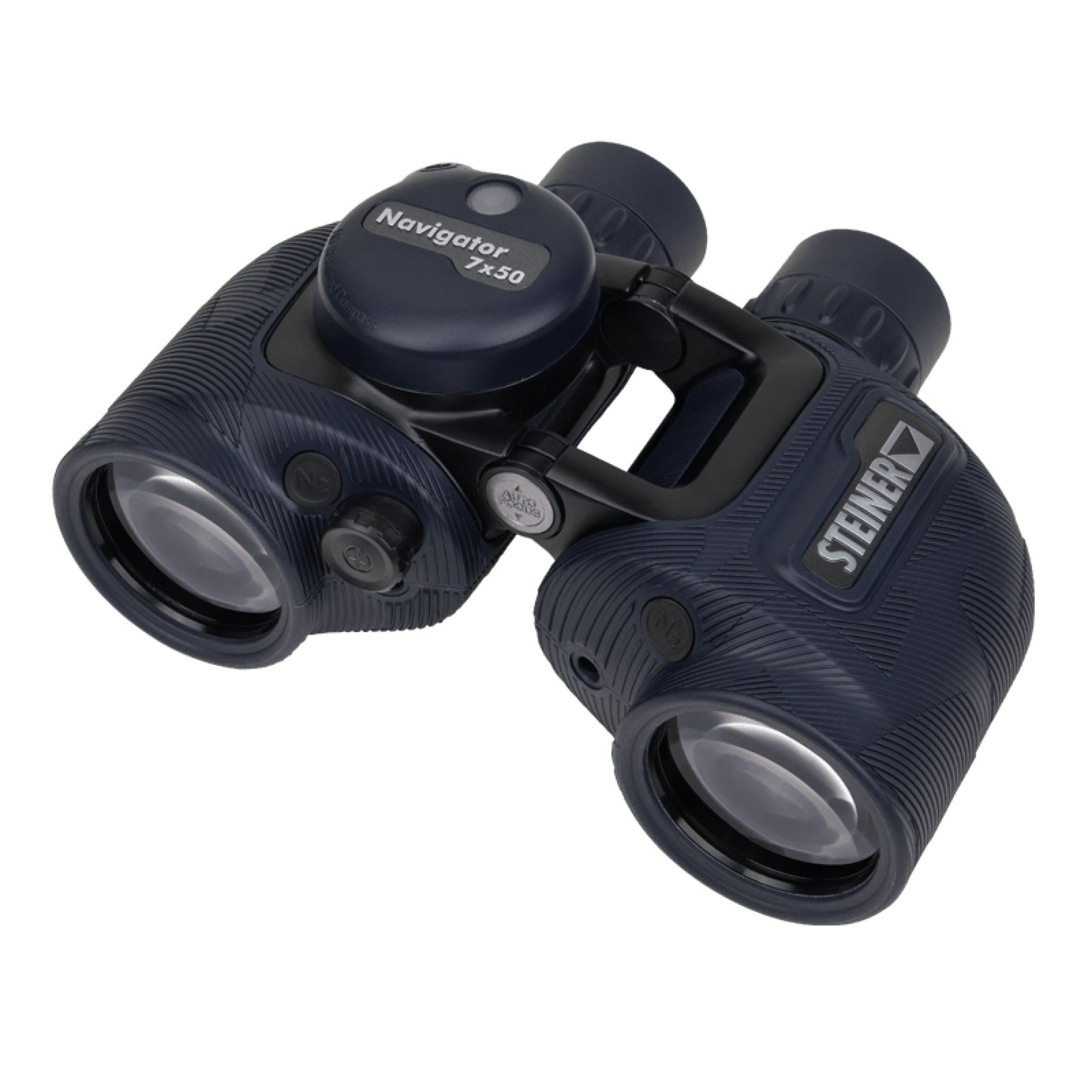
Official product information is the starting point for this pick. We use it to confirm the product family, visual layout, and the details a buyer can verify before comparing merchants. Steiner Navigator 7x50c earns attention here because it gives a clear reference point for the main use case in best marine binoculars for coastal navigation. That does not mean every owner should buy it first; it means the design makes the trade-off easy to explain.
For a marina owner, the practical question is not whether Steiner Navigator 7x50c looks impressive in a catalogue. The question is whether it still makes sense when hands are cold, spray is on the cockpit sole, the berth is tight, or crew are trying to help without a long briefing. Look for the small usability signs: visible controls, clear closure paths, robust surfaces, and a shape that stores without being forgotten. If the product depends on charging, rearming, or installation, write that step into the boat routine before relying on it.
The buying risk is over-specifying the product because it feels safer. A premium model can be the right call for exposed coastal use, but it can also sit unused if it is too bulky, hard to store, or awkward for regular crew. Treat Steiner Navigator 7x50c as a benchmark: compare the feature set, then decide whether your boat needs that level of capability or a simpler version with better day-to-day compliance.
Steiner Commander 7x50c
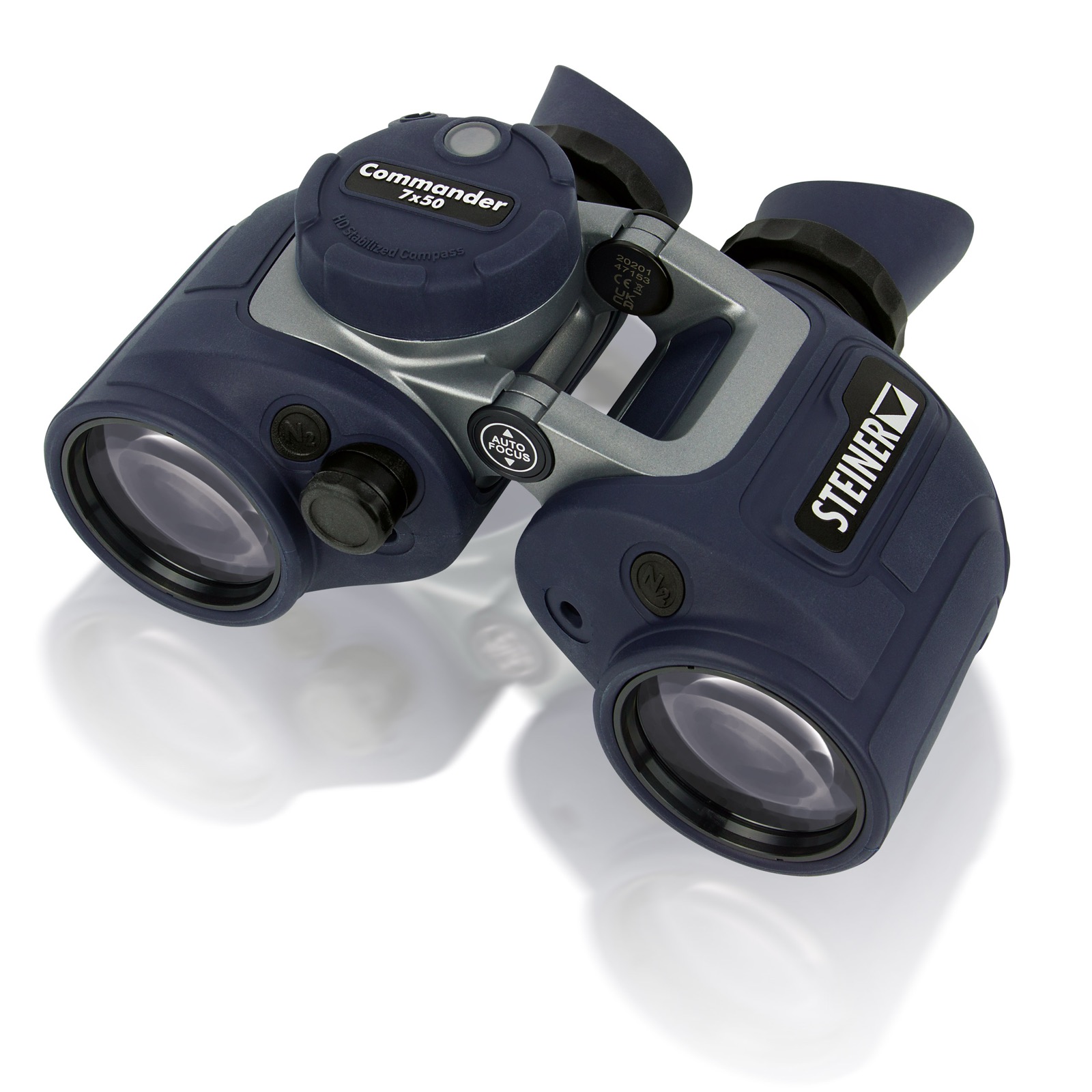
Official product information is the starting point for this pick. We use it to confirm the product family, visual layout, and the details a buyer can verify before comparing merchants. Steiner Commander 7x50c earns attention here because it gives a clear reference point for the upgrade decision in best marine binoculars for coastal navigation. That does not mean every owner should buy it first; it means the design makes the trade-off easy to explain.
For a marina owner, the practical question is not whether Steiner Commander 7x50c looks impressive in a catalogue. The question is whether it still makes sense when hands are cold, spray is on the cockpit sole, the berth is tight, or crew are trying to help without a long briefing. Look for the small usability signs: visible controls, clear closure paths, robust surfaces, and a shape that stores without being forgotten. If the product depends on charging, rearming, or installation, write that step into the boat routine before relying on it.
The buying risk is over-specifying the product because it feels safer. A premium model can be the right call for exposed coastal use, but it can also sit unused if it is too bulky, hard to store, or awkward for regular crew. Treat Steiner Commander 7x50c as a benchmark: compare the feature set, then decide whether your boat needs that level of capability or a simpler version with better day-to-day compliance.
Steiner Navigator 7x30
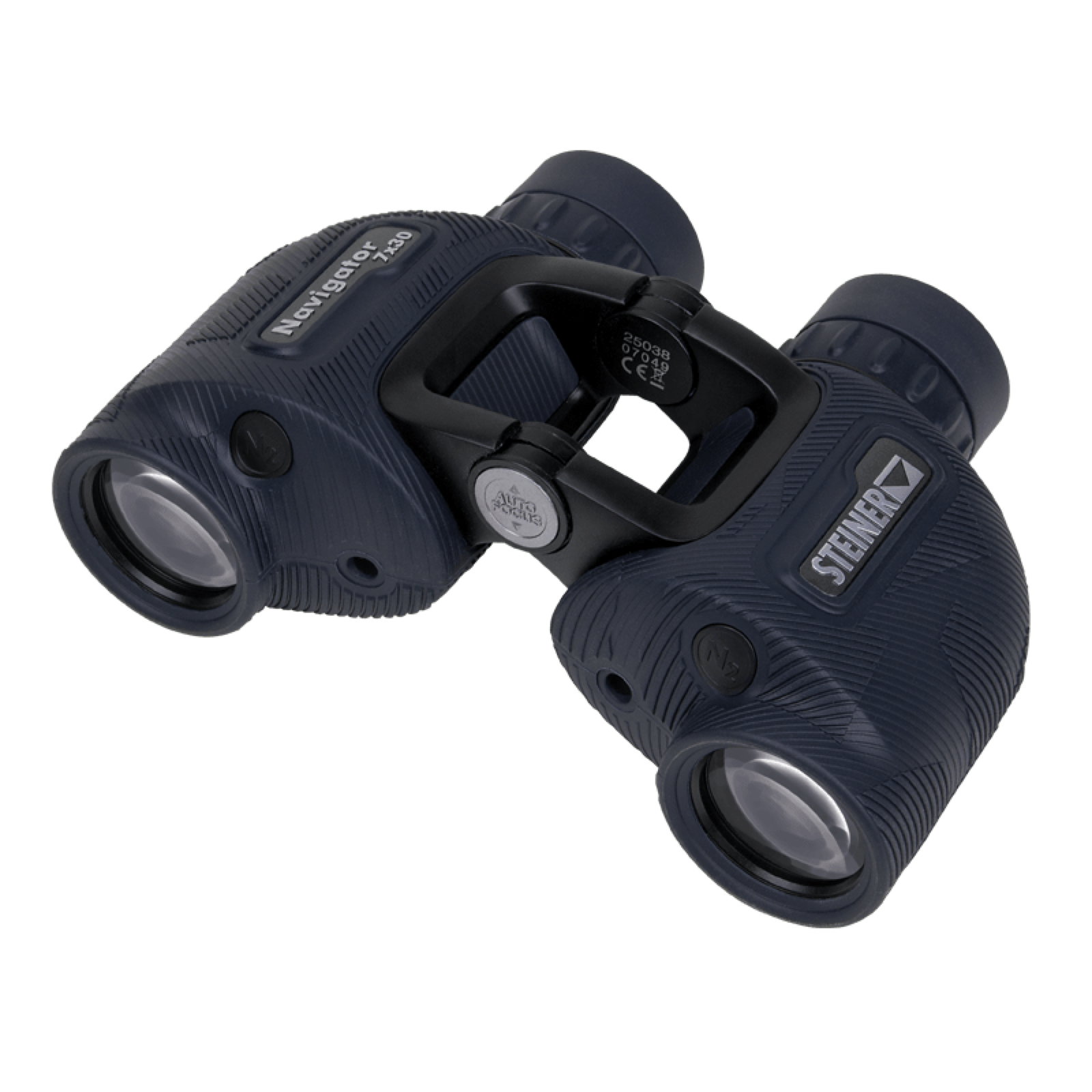
Official product information is the starting point for this pick. We use it to confirm the product family, visual layout, and the details a buyer can verify before comparing merchants. Steiner Navigator 7x30 earns attention here because it gives a clear reference point for the backup or supporting role in best marine binoculars for coastal navigation. That does not mean every owner should buy it first; it means the design makes the trade-off easy to explain.
For a marina owner, the practical question is not whether Steiner Navigator 7x30 looks impressive in a catalogue. The question is whether it still makes sense when hands are cold, spray is on the cockpit sole, the berth is tight, or crew are trying to help without a long briefing. Look for the small usability signs: visible controls, clear closure paths, robust surfaces, and a shape that stores without being forgotten. If the product depends on charging, rearming, or installation, write that step into the boat routine before relying on it.
The buying risk is over-specifying the product because it feels safer. A premium model can be the right call for exposed coastal use, but it can also sit unused if it is too bulky, hard to store, or awkward for regular crew. Treat Steiner Navigator 7x30 as a benchmark: compare the feature set, then decide whether your boat needs that level of capability or a simpler version with better day-to-day compliance.
Selection Criteria That Matter on a Boat
We weight boat-specific behaviour ahead of lifestyle language. The product must stay useful when the deck is wet, when a locker is crowded, when crew are wearing gloves, or when a berth manoeuvre becomes busy. That is why marine-grade closures, visible controls, secure attachment points, waterproof construction, non-marking materials, and easy inspection often matter more than a small price difference.
For planned upgrades, compare the product against the rest of the system. A better radio still needs charging discipline and a calling plan. A stronger lifejacket still needs service dates and fit checks. A chartplotter still needs power, updates, and a backup. A dry bag still needs sensible packing so the first-aid pouch is not buried below spare clothes. Good gear reduces friction; it does not replace routine.
Buying Mistakes to Avoid
The first mistake is buying for the ideal trip instead of the regular one. If most use is marina weekends and short coastal hops, you may need durable, easy-to-use equipment more than expedition-level complexity. The second mistake is buying the smallest item because storage is tight. Undersized fenders, cramped dry bags, short cables, or shoes with poor wet grip create bigger problems than they solve. The third mistake is leaving maintenance out of the price calculation.
Also avoid judging a product only by discount percentage. A clearance colour in the wrong size is not value. A device without the right chart, charger, service kit, or mounting plan is not ready. A product that only one confident crew member can operate is weaker than a slightly simpler product that everyone can understand.
Internal Reading Map
This topic connects with handheld VHF radios, lifejacket shortlist, boat safety kit checklist, chartplotter and handheld GPS comparison, fender size guide, shore power safety checklist. Read those next if your buying decision touches safety, storage, navigation, or wet-weather clothing rather than a single isolated product.
Bottom Line
For best marine binoculars for coastal navigation, buy the option that makes the boat calmer to operate. The right product should be easy to inspect, easy to reach, and clear enough for crew to understand without a lecture. Use official product pages to confirm current details, then match the choice to your berth, cruising plan, storage, and maintenance routine.
Owner Checklist Before Checkout
Before committing money, write down where this item will live on the boat, who is expected to use it, and what has to be checked before departure. That simple note catches most bad purchases. If the product needs charging, add the charger location and a reminder date. If it needs rearming, servicing, cleaning, sizing, or installation, price those parts before comparing discounts. If it will be used by guests, make sure the label, control, buckle, switch, or closure can be explained in one sentence. Gear that fits the routine becomes safety equipment; gear that needs a long explanation becomes locker weight.